How External shading works
External shading works by controlling sunlight before it reaches the glass. By blocking, filtering, or redirecting solar radiation from outside the building, shading helps reduce unwanted heat gain, glare, and discomfort near windows. This can make indoor spaces cooler, more comfortable, and less reliant on active cooling, while still allowing natural daylight to be used effectively.


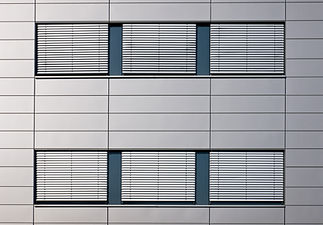
The basic principles
External shading operates by reducing incident solar radiation at the building envelope before it is transmitted through the glazing system. When short-wave solar radiation reaches glass, a proportion is reflected, absorbed, or transmitted into the internal space, where it contributes to solar heat gain and can increase cooling loads, operative temperatures, and the risk of glare. External shading is generally more effective than internal shading because it intercepts the solar energy before it passes through the glazing, limiting heat transfer into the occupied zone.

The effectiveness of external shading depends on factors such as orientation, sun angle, glazing size, shading position, material openness, and the level of automation provided. When designed correctly, it helps maintain comfortable internal temperatures, supports daylight control, and reduces the need for mechanical cooling.
What external shading helps within your building
Overheating
Overheating occurs when internal temperatures rise beyond comfortable or acceptable limits, often due to prolonged solar exposure through glazed areas. External shading helps reduce this risk by limiting solar radiation before it reaches the glass, lowering heat build-up inside the space.
Solar Gain
Solar gain is the heat energy that enters a building when sunlight passes through glazing. While some solar gain can be beneficial in colder months, excessive gain can increase internal temperatures. External shading controls this by blocking, reflecting, or filtering sunlight before it becomes heat indoors.
Glare
Glare happens when direct sunlight or high brightness contrast makes a space visually uncomfortable. This can affect screens, work areas, and general occupant comfort. External shading reduces glare by controlling the amount and angle of visible light entering through the window.
Cooling Demand
Cooling demand refers to the amount of mechanical cooling required to maintain comfortable indoor temperatures. By reducing solar heat gain at the façade, external shading can lower peak cooling loads and reduce the energy needed for air conditioning or other cooling systems.
Discomfort Near Windows
Areas close to windows can become uncomfortable due to radiant heat, direct sunlight, and surface temperature differences. External shading helps improve comfort near glazed areas by reducing solar exposure and limiting temperature variation around the window zone.
Reliance on Active Cooling
Active cooling systems, such as air conditioning, are often used to remove excess heat from a building. External shading supports a passive cooling approach by reducing heat entering the space in the first place, helping buildings stay cooler before mechanical systems are required.

Where shading is most needed
-
South-facing windows: high sun, often easier to shade with overhangs or horizontal shading.
-
East-facing windows: morning sun can cause heat build-up early in the day.
-
West-facing windows: low afternoon sun is harder to control and often drives overheating.
-
Large areas of glazing: more glass usually means more solar gain to manage.
